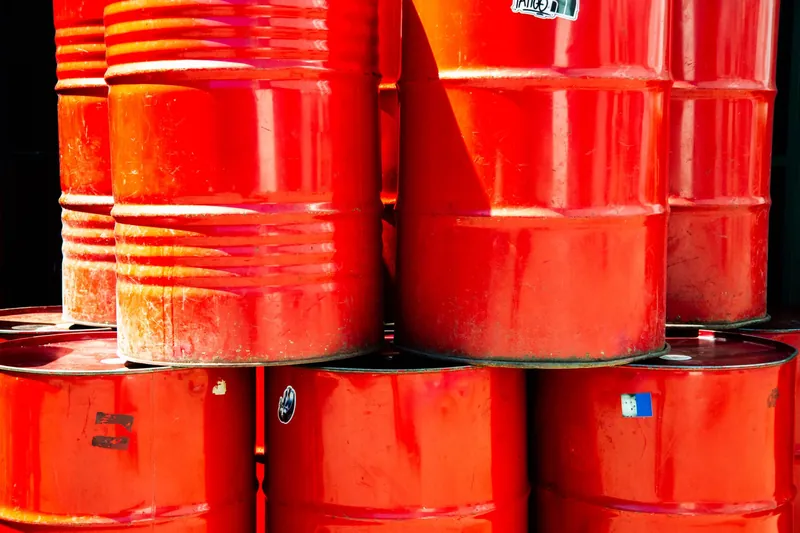
Biohazard Waste Disposal
Biohazard waste pickup and disposal in sealed, labeled containers.
See biohazard waste disposalArrange pickup of sharps, red bag waste and other accepted medical waste from a clinic, care setting, workplace or cleanup site in Pea Ridge. Closed containers go through the appropriate treatment and disposal route.
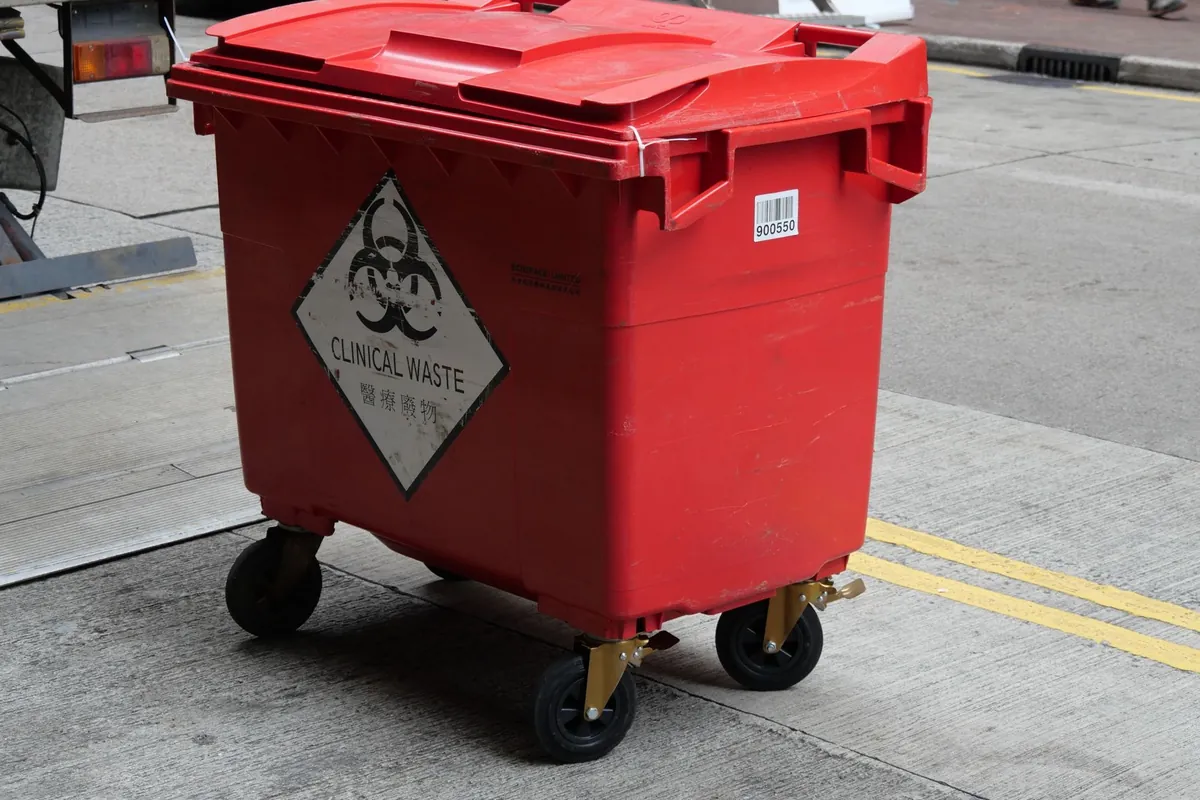
Medical waste removal is a controlled process that keeps regulated materials such as blood-contaminated items and sharps out of ordinary trash through collection, transport and treatment.
A biohazard pickup service can collect waste from medical and dental offices, laboratories, care settings, tattoo studios and other workplaces that generate it. A professional cleanup service can also arrange collection of sealed waste left after blood cleanup or biohazard remediation. The service begins after each waste type has been identified and placed in a compatible container.
Do not treat medical waste as a single type of material. A puncture-resistant, rigid sharps container is needed for sharps. Saturated soft items containing blood or bodily fluids usually require a red biohazard bag and a closable container around it. Chemical, pharmaceutical, radioactive and general hazardous materials may be governed differently. Without confirmation, they must never be combined with the contents of a medical waste container.
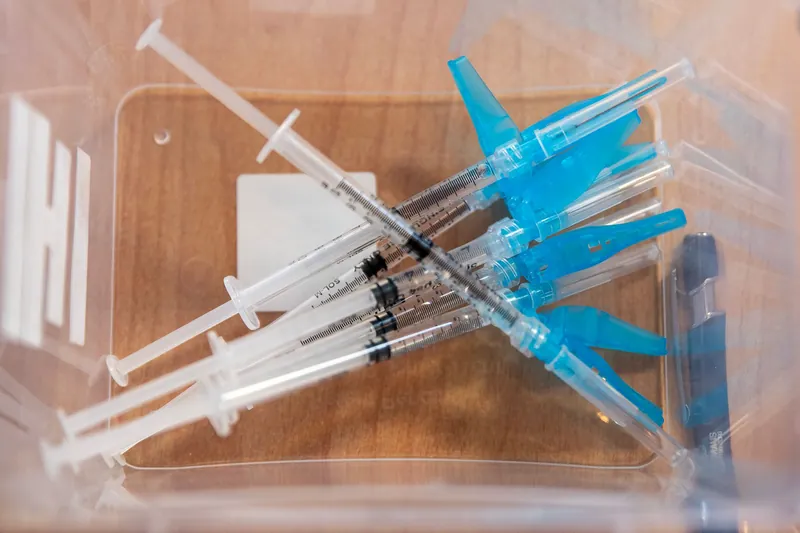
Before pickup day, confirm the accepted sharps, red bag materials, laboratory waste and any other eligible items.
Workers should use protective gear suited to the identified waste and avoid opening or compressing containers at your site.
To keep orderly records and move forward with your next service, use the defined schedule, pickup details and available tracking paperwork.
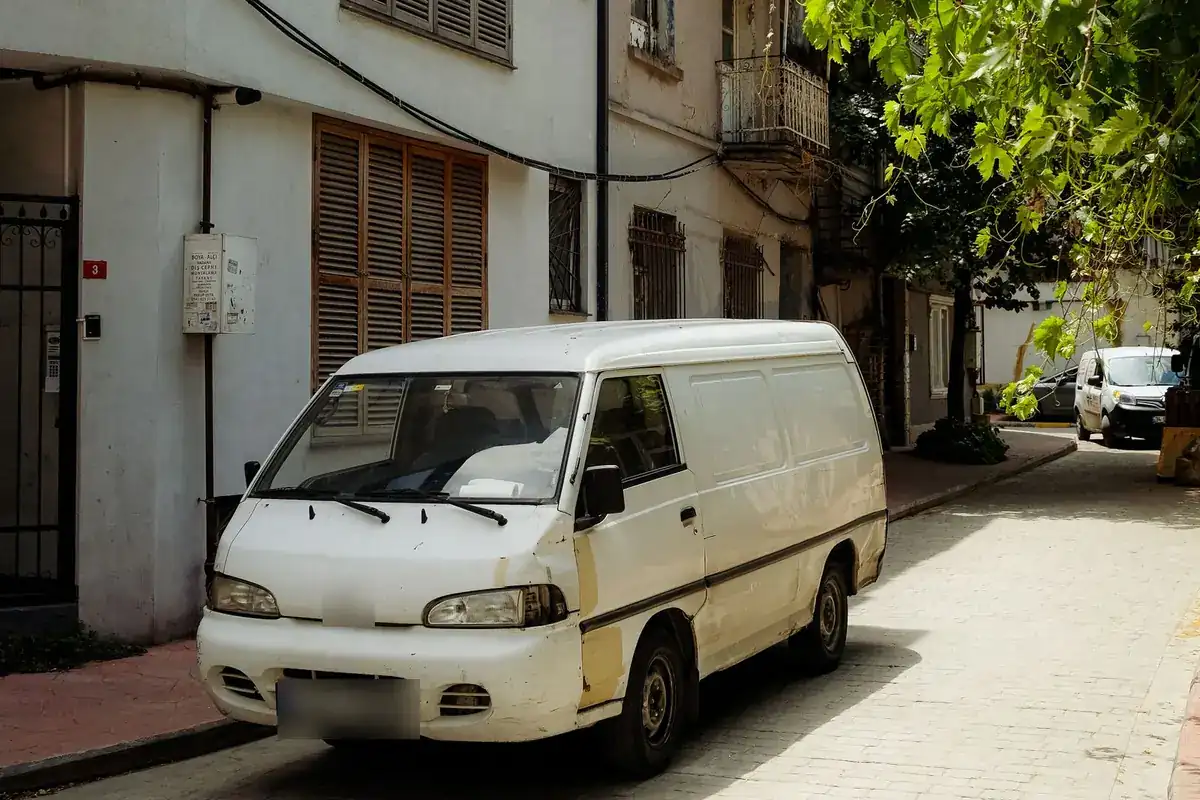
Crews can use unmarked vehicles when privacy matters and move closed containers carefully from your property.
When a cleanup site or workplace contains regulated material that cannot enter its usual trash, medical waste collection is needed. Common examples are:
Laboratories may have to identify waste clearly and use separate containers before removing cultures, specimen materials or contaminated disposables.
After cleanup or a facility closure, a business or property owner may need one collection if sealed medical waste was left behind.
To avoid a buildup of full containers near treatment, medication or utility areas, care settings may arrange regular collection.
In affected areas, biohazard waste cleanup can leave closed containers or bags with protective gear for one-time use, absorbent products and removed porous materials requiring approved disposal.
Keep others clear of any loose waste, then check the container type. Begin every situation this way. These actions lower the chance of contact and help cleanup technicians organize the pickup:
Call (888) 440-9227Published cost guides price each regulated medical waste pound between 30 and 80 cents, while broader disposal of medical waste is listed from $2 through $20 per pound. Separate figures from MedPro Disposal put monthly small physician practice costs at $75 to $200 and dental office costs at $50 to $175 each month. The charge for your site is shaped by waste type, weight, collection frequency, transport and containers.
Published national cost guides are the source for these ranges, rather than an inspection of your property. After an on-site assessment, the price for your property is determined and shared with you before cleanup begins.
Ask about cost: (888) 440-9227Medical waste collected on a routine schedule is usually treated as a planned business operating expense. Waste resulting from a sudden covered event may instead be considered with the cleanup claim connected to it. Policy terms and the cause decide whether coverage applies.
Clinics, dental offices, laboratories and care facilities commonly organize their own ongoing waste collection. The person responsible for your facility's waste account can explain the collection budget.
A lease may say who arranges waste disposal in a rented business space. Check the lease and do not leave regulated waste in a shared trash area.
Save the claim number, invoices, collection record, cleanup scope and, when appropriate, pictures showing the affected area. Before throwing away claim paperwork, confirm the required records with your insurance company.
Call the insurance company ahead of disposal, when safety allows, if the waste resulted from a sudden event. Ask if cleanup, waste containers, transportation and final disposal can be included in your claim.
Medical waste remains identified and contained throughout cleanup, beginning at assessment and continuing through treatment at an approved destination. If the material resulted from biohazard remediation, that work ends only when the waste follows an approved treatment route. Local requirements and the waste type determine the exact route.
During emergency response or regular collection planning, staff confirm the type and amount of waste, container status and materials requiring separation into another stream.
Staff inspect every container to confirm it is closed securely and marked as required. Loose, leaking or overfilled containers need correction before transport.
Closed containers are moved by cleanup workers wearing protective gear, with no on-site opening, separation or compression of their contents.
Each container remains upright and restrained during transport, preventing it from tipping, sliding or releasing contaminated materials.
For the person overseeing the event, collection data and available tracking records support a clear waste disposal file.
The receiving facility uses the treatment method suited to the accepted waste, such as steam treatment or another approved process.
After treatment, material enters the facility's authorized disposal path. Sharps stay enclosed during the entire process to protect workers against puncture injuries.
For repeated service, your volume and waste categories determine whether the container supply and pickup schedule remain suitable. You receive an explanation of every step that affects the next collection.
Phone any hour. A specialist in medical waste removal takes your call, explains each step and agrees on a start time with you.
Loose sharps, materials contaminated with blood and damaged containers that leak present serious health risks. Possible harm includes puncture wounds, bloodborne pathogen exposure and contamination of nearby surfaces.
Chemicals, medicines and radioactive materials may need a different waste stream. Never conclude that every item is suited to one treatment simply because it has a red bag or biohazard label.
A soft bag or container filled past capacity can be punctured by blades, lancets or needles. Never pick up a loose sharp by hand, bend it or try to recap it.
Exposure to bodily fluids or blood may involve hepatitis B, hepatitis C or HIV. According to the CDC, hepatitis B remains viable on surfaces for at least seven days, including when the contamination looks dry.
Can you clean it yourself? For a small drop on a hard non-porous area, wear gloves, remove visible matter and apply an EPA-registered disinfectant for its entire labeled contact time. Call for professional cleanup when loose sharps, broken containers, porous materials, a larger spill or an unknown substance is involved.
Cleaning biohazard waste and removing it are different tasks. Acceptance depends on the waste stream and the receiving facility. Identify every material before pickup, because not everything with a hazard warning belongs in a red bag.
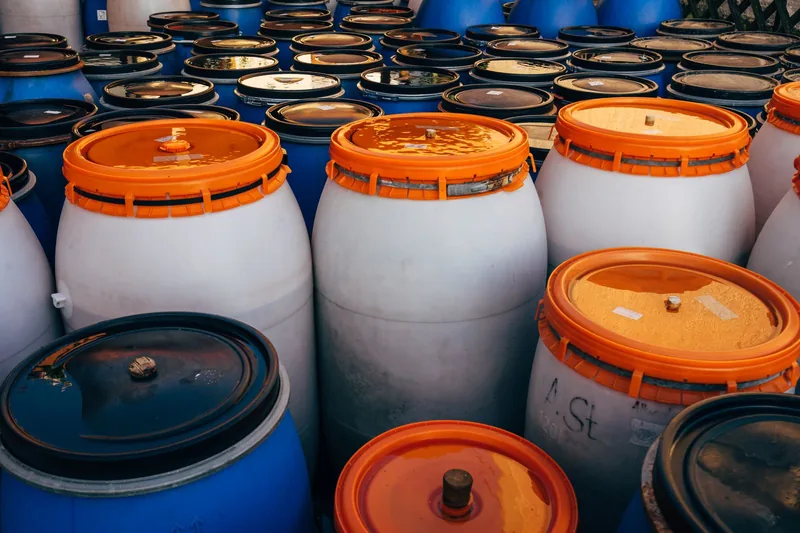
Pickup duration is determined by container quantity, access to the site and whether each waste type was properly separated ahead of arrival. After the containers are taken off site, treatment and final disposal occur on their own timeline.
| Scene | Typical time on site |
|---|---|
| Small scheduled pickup | Usually the shortest visit when containers are closed and ready |
| One-time pickup with several containers | Takes longer because each container and waste stream must be checked |
| Loose, leaking or unknown waste | Requires evaluation and may need repacking prior to transportation |
A medical waste container may smell because its lid is open, its bag is damaged, moisture is present or the contents have been stored too long. Do not open it for an investigation or spray fragrance into it. Restrict access, examine the outside for signs of damage and request an assessment if the odor source is unclear.
Odor removal requires source correction rather than covering the smell in the air. After safe containment and removal of materials that leak or carry contamination, hard surfaces can receive cleaning and an EPA-registered disinfectant left for the complete contact time stated on its label. The impact on the room determines whether air quality work may involve ventilation or HEPA air cleaning.
The full medical waste removal guide covers what is cleaned or removed, odor and air quality work, and the rules that apply in Alabama and Shelby County.
Read the full medical waste removal guideContainment, entry and cleanup plans can be influenced by local housing, population and access details.
A local renter share of 4.8% means many properties may have one owner making decisions about access, drying, and material removal.
Homes with a median construction year of 1979 may contain layered renovations that hide affected materials beneath newer finishes.
In Pea Ridge, 46 older adults live alone, so relatives may need clear photos and records when managing cleanup from afar.
A 66.7% single-family share makes property type an early question when setting containment and equipment routes.
During your call, ask whether cleanup is available in surrounding communities and ZIP codes.
Biohazard waste pickup and disposal in sealed, labeled containers.
See biohazard waste disposal
Cleanup removes sharps and needles from parks, rental sites, yards and encampments.
See needle and sharps cleanup
Biohazard cleanup addresses care homes, medical clinics and healthcare settings.
See hospital and healthcare biohazard cleanup
Commercial and industrial biohazard cleanup planned around site access and operating needs.
See commercial and industrial biohazard cleanup
Cleanup controls the risk of blood exposure involving HIV, hepatitis C and hepatitis B.
See bloodborne pathogen cleanup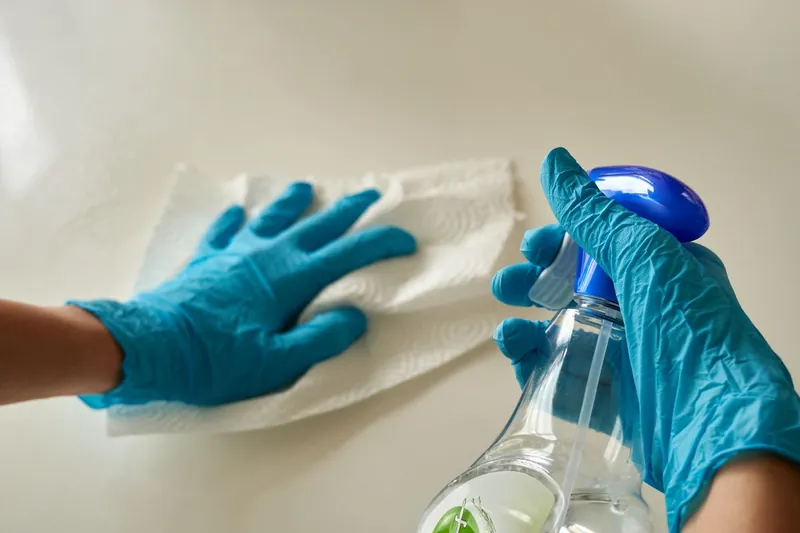
Carpet, solid floors, walls and furnishings receive blood cleanup that includes safe disposal.
See blood cleanup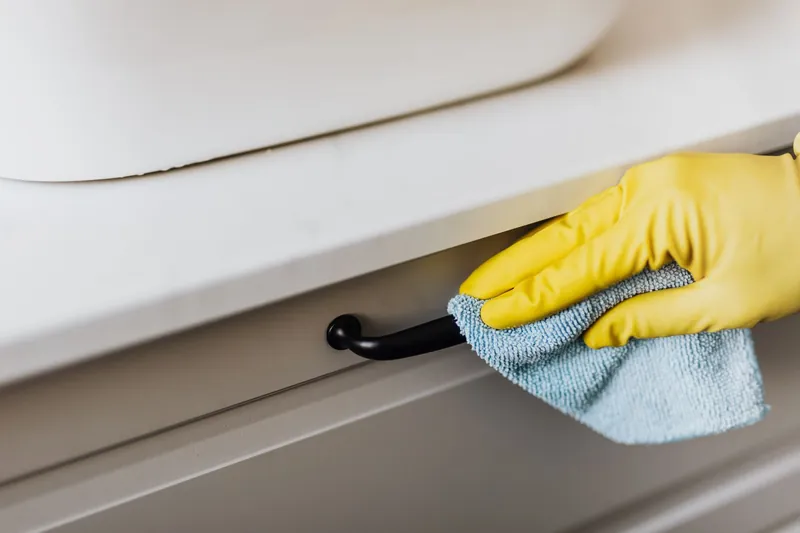
Across care settings, commercial spaces and homes, bodily fluid cleanup includes disinfection.
See bodily fluid cleanup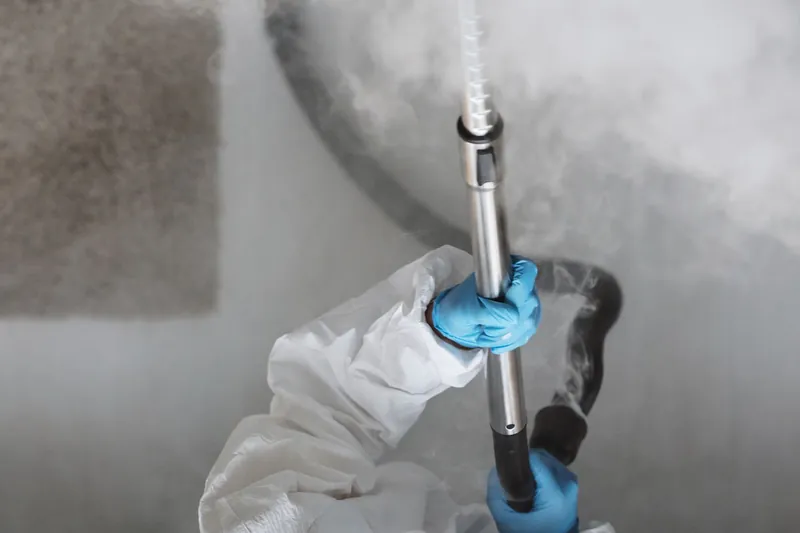
EPA-registered products are applied across all surfaces during infectious disease disinfection.
See infectious disease disinfectionDo not sort or clean the waste itself. Restrict people from the space while leaving loose sharps alone and keeping the container untouched. Affected hard surfaces may need visible material removed before disinfection. When bags leak, substances are unknown, porous items are involved or a spill is large, arrange professional cleanup and proper waste disposal.
Yes, provided the company takes that material and you have placed it in suitable packaging. State whether an incident, a healthcare location, another affected area or blood cleanup produced the waste. Collection planning must account for any uncontained sharps, liquids, damaged containers and materials you cannot identify.
Broad price ranges in published sources vary by waste category and service setting. Guides price regulated medical waste at 30 to 80 cents per pound and medical waste disposal at $2 to $20 per pound. Weight, waste type, pickup frequency, containers and transport change the final charge.
Biohazards are first separated by type and placed in the correct closed container. Accepted biohazard waste goes through a biohazard pickup service to an approved treatment site. Material type determines whether the waste receives steam treatment or a different approved method prior to final disposal.
Start by identifying whether the material is a sharp, soft blood-contaminated waste, laboratory material, medicine, chemical or another waste type. Maintain separation between waste categories. Find out what the service will collect and which state or local rules govern the waste before relocating its container.
Put sharp items in a hard sharps bin, while eligible soft materials belong in their mandated sealed and marked container. Neither material belongs in regular garbage unless a relevant regulation expressly permits that disposal. Before collection, confirm the state's present rules about treatment methods, transportation and proper containers.
Respectful, discreet medical waste removal is available 24 hours a day, and crews arrive in unmarked vehicles.